Cleveland Heights, Ohio
Cleveland Heights, Ohio | |
|---|---|
|
Flag Logo | |
Interactive map of Cleveland Heights, Ohio | |
Cleveland Heights Cleveland Heights | |
| Coordinates: 41°30′35″N 81°33′48″W / 41.50972°N 81.56333°W | |
| Country | United States |
| State | Ohio |
| County | Cuyahoga |
| Incorporated | 1901 (hamlet) 1903 (village) August 9, 1921 (city) |
| Government | |
| • Type | Mayor–council |
| • Mayor | Jim Petras (D) |
| Area | |
• Total | 8.08 sq mi (20.94 km2) |
| • Land | 8.07 sq mi (20.89 km2) |
| • Water | 0.019 sq mi (0.05 km2) |
| Elevation | 942 ft (287 m) |
| Population (2020) | |
• Total | 45,312 |
• Estimate (2023)[2] | 43,908 |
| • Density | 5,618.1/sq mi (2,169.15/km2) |
| Time zone | UTC-5 (Eastern (EST)) |
| • Summer (DST) | UTC-4 (EDT) |
| ZIP Codes | 44106, 44112, 44118, 44121 |
| Area code | 216 |
| FIPS code | 39-16014[4] |
| GNIS feature ID | 1048605[3] |
| Website | www |
Cleveland Heights is a city in Cuyahoga County, Ohio, United States. The population was 45,312 at the 2020 census. Founded in 1901, it is one of Cleveland's historic streetcar suburbs.
History
The area that is now the city of Cleveland Heights lies atop the Portage Escarpment.[5] Until the late 1800s, the area remained largely timber and farmland, with a few orchards, quarries, and vineyards.[6] The first road through the city, Mayfield Road, was not built until 1828. Some of the land was divided into farms, but it also had quarries in the 19th century. One of the early quarries was established by Duncan McFarland who mined bluestone. This led to the settlement that grew up around the quarry for the workers to live in to be referred to as Bluestone. There is still a road of this name in that area.
In 1873, business magnate John D. Rockefeller acquired about 700 acres (280 ha) in what is now the cities of East Cleveland and Cleveland Heights, with a water cure hotel, which he converted to a mansion for his family in East Cleveland. Eventually, some of the land, straddling both suburbs, was turned into residential developments, and, in 1938, the family donated land which is now Forest Hill Park.
The development of electric streetcars made the development of suburbs far outside Cleveland's city limits practical for the first time in the 1890s.[7][8][9] About 1890, a town center began forming at what is now the intersection of Mayfield and Superior roads.[10] Cleveland Heights was first organized as a hamlet in 1901. The population of about 1,500 grew quickly, and in 1903 it incorporated as a village.[11][12] It had a population of 15,396 in 1920 and was incorporated as a city on August 9, 1921. Between 1920 and 1930, Cleveland Heights' population more than tripled.[13] By 1960 it had a population of 61,813.[14]
In 1890, railroad baron Patrick Calhoun purchased 300 acres (1.2 km2) atop nearby Cedar Hill, and in 1893 established the planned community of Euclid Heights.[15][a] In 1913, Barton R. Deming convinced Rockefeller to enter into a purchase agreement for the 141 acres (0.57 km2) formerly leased to the Euclid Golf Club of Euclid Heights, which resulting in the founding of the B.R. Deming Company to develop the Euclid Golf Allotment.[16] The Euclid Golf Allotment was added to the National Register of Historic Places in 2002.[17]
In November 1926, the establishment of a new business district on Taylor Road was announced. This resulted in numerous residential homes and mixed-use structures built in the Tudor Revival style that are now known as the Stadium Square Historic District.[18]
In the 1950s, Cleveland Heights saw the influx of many merchant class and professional Jewish people leaving Cleveland, particularly the Hough and Glenville neighborhoods. In 1961, 35% of the Jewish population of Cuyahoga County lived in Cleveland Heights.[19] Although the Black population of Cleveland Heights was less than 1% in 1960, partially due to restrictive covenants, Black Clevelanders began to move into Cleveland Heights in the 1960s and 1970s. This led to violence and pushback from some white citizens.[20] However, organizations such as Heights Citizens For Human Rights and Heights Community Congress formed to protest violence against Black citizens, and promote integration in the city.[21]
In 1987, the city of Cleveland Heights was declared a nuclear-free zone.[22]
Geography
Cleveland Heights is located at 41°30′35″N 81°33′48″W / 41.50972°N 81.56333°W.[23]
According to the United States Census Bureau, the city has a total area of 8.13 square miles (21.06 km2), of which 8.11 square miles (21.00 km2) is land and 0.02 square miles (0.05 km2) is water.[24] Cleveland Heights is made up of three watersheds, the Doan Brook Watershed, the Dugway Brook Watershed, and the Nine Mile Creek Watershed.[25] Approximately 50% of Cleveland Heights is part of the Dugway Brook Watershed.[26]
Demographics
| Census | Pop. | Note | %± |
|---|---|---|---|
| 1910 | 2,955 | — | |
| 1920 | 15,236 | 415.6% | |
| 1930 | 50,945 | 234.4% | |
| 1940 | 54,992 | 7.9% | |
| 1950 | 59,141 | 7.5% | |
| 1960 | 61,813 | 4.5% | |
| 1970 | 60,767 | −1.7% | |
| 1980 | 56,438 | −7.1% | |
| 1990 | 54,052 | −4.2% | |
| 2000 | 49,958 | −7.6% | |
| 2010 | 46,121 | −7.7% | |
| 2020 | 45,312 | −1.8% | |
| 2023 (est.) | 43,908 | [2] | −3.1% |
| Sources:[4][27][28] | |||
Racial and ethnic composition
| Race / Ethnicity (NH = Non-Hispanic) | Pop 2000[29] | Pop 2010[30] | Pop 2020[31] | % 2000 | % 2010 | % 2020 |
|---|---|---|---|---|---|---|
| White alone (NH) | 25,840 | 22,536 | 20,677 | 51.72% | 48.86% | 45.63% |
| Black or African American alone (NH) | 20,752 | 19,448 | 18,534 | 41.54% | 42.17% | 40.90% |
| Native American or Alaska Native alone (NH) | 70 | 61 | 55 | 0.14% | 0.13% | 0.12% |
| Asian alone (NH) | 1,275 | 1,880 | 2,274 | 2.55% | 4.08% | 5.02% |
| Native Hawaiian or Pacific Islander alone (NH) | 5 | 6 | 5 | 0.01% | 0.01% | 0.01% |
| Other race alone (NH) | 179 | 120 | 357 | 0.36% | 0.26% | 0.79% |
| Mixed race or Multiracial (NH) | 1,046 | 1,167 | 1,874 | 2.09% | 2.53% | 4.14% |
| Hispanic or Latino (any race) | 791 | 903 | 1,536 | 1.58% | 1.96% | 3.39% |
| Total | 49,958 | 46,121 | 45,312 | 100.00% | 100.00% | 100.00% |
2020 census
As of the 2020 census, Cleveland Heights had a population of 45,312.[32] The median age was 36.2 years. 20.4% of residents were under the age of 18 and 18.5% of residents were 65 years of age or older. For every 100 females there were 87.9 males, and for every 100 females age 18 and over there were 84.2 males age 18 and over.[32]
100.0% of residents lived in urban areas, while 0.0% lived in rural areas.[33]
There were 20,053 households in Cleveland Heights, of which 22.5% had children under the age of 18 living in them. Of all households, 32.9% were married-couple households, 21.9% were households with a male householder and no spouse or partner present, and 38.1% were households with a female householder and no spouse or partner present. About 38.8% of all households were made up of individuals and 14.0% had someone living alone who was 65 years of age or older.[32]
There were 22,270 housing units, of which 10.0% were vacant. The homeowner vacancy rate was 2.9% and the rental vacancy rate was 9.5%.[32]
| Race | Number | Percent |
|---|---|---|
| White | 20,993 | 46.3% |
| Black or African American | 18,713 | 41.3% |
| American Indian and Alaska Native | 73 | 0.2% |
| Asian | 2,288 | 5.0% |
| Native Hawaiian and Other Pacific Islander | 7 | 0.0% |
| Some other race | 639 | 1.4% |
| Two or more races | 2,599 | 5.7% |
| Hispanic or Latino (of any race) | 1,536 | 3.4% |
The percent of those with a bachelor's degree or higher was estimated to be 41.7% of the population.[35]
The 2016-2020 5-year American Community Survey estimates show that the median household income was $59,086 (with a margin of error of +/- $2,897) and the median family income was $77,877 (+/- $6,920).[36] Males had a median income of $41,404 (+/- $2,587) versus $31,449 (+/- $1,383) for females. The median income for those above 16 years old was $35,111 (+/- $2,762).[37] Approximately, 12.0% of families and 18.0% of the population were below the poverty line, including 25.4% of those under the age of 18 and 9.2% of those ages 65 or over.[38][39]
2010 census
As of the census[40] of 2010, there were 46,238 people, 19,957 households, and 10,834 families residing in the city. The population density was 5,686.9 inhabitants per square mile (2,195.7/km2). There were 22,465 housing units at an average density of 2,770.0 per square mile (1,069.5/km2). The racial makeup of the city was 49.8% White, 42.5% African American, 0.2% Native American, 4.1% Asian, 0.6% from other races, and 2.8% from two or more races. Hispanic or Latino of any race were 2.0% of the population.
There were 19,957 households, of which 26.2% had children under the age of 18 living with them, 35.6% were married couples living together, 15.2% had a female householder with no husband present, 3.4% had a male householder with no wife present, and 45.7% were non-families. 36.1% of all households were made up of individuals, and 10.4% had someone living alone who was 65 years of age or older. The average household size was 2.27 and the average family size was 3.05.
The median age in the city was 35.8 years. 22.3% of residents were under the age of 18; 10.6% were between the ages of 18 and 24; 27.9% were from 25 to 44; 25.9% were from 45 to 64; and 13.5% were 65 years of age or older. The gender makeup of the city was 46.6% male and 53.4% female.
The median income for a household in the city was $53,024. The per capita income for the city was $31,663. About 19.3% of individuals were below the poverty line.[41]
Economy
Coventry Village is a commercial business district in Cleveland Heights situated on Coventry Road. Coventry is associated with Northeast Ohio's artistic, musical, bohemian, hippie and emerging hipster communities.[42]
Parks and recreation
Cleveland Heights has seven city parks: Barbara H. Boyd Park, Cain Park, Cumberland Park, Denison Park, Forest Hill Park, Kenilworth Park and Turtle Park.[43]
Government
Cleveland Heights is governed by a city charter adopted in 1921 and amended in 1972, 1982, 1986, and 2019. Until 2019, the Cleveland Heights city charter specified a council–manager form of government. On November 5, 2019, voters approved a charter amendment to transition to a strong mayor–council form of government, with the mayor serving as the city's chief executive and a seven-member City Council holding legislative authority.[44]
Recall of Kahlil Seren
The city's first strong mayor, Kahlil Seren, was removed from office on September 9, 2025, following a recall election in which 82% of voters voted in favor of his removal.[45] The recall campaign was driven by allegations of financial mismanagement, including failure to submit timely audits, an incomplete 2025 budget, and a "hostile" and "unethical" work environment that led to high staff turnover.[46]
Controversy during Seren's tenure also centered on the conduct of his wife, Natalie McDaniel. In March 2025, City Administrator Dan Horrigan resigned after less than three months, citing McDaniel's interference as contributing to an "untenable" environment.[47] McDaniel was subsequently indicted on July 30, 2025, for trespassing into a resident's home.[48] Following the certification of the recall results, Council President Tony Cuda was sworn in as interim mayor on October 1, 2025, serving until the special election could be certified.[49]
Jim Petras Administration
In the subsequent normal election, former City Council member Jim Petras was elected as the city's second mayor. He was sworn in on January 5, 2026, marking a historic transition for the city.[50] Petras is the first openly gay mayor in Cleveland Heights history and, at the time of his inauguration, was the only openly gay mayor serving in the state of Ohio.[51] Upon taking office, Petras pledged to stabilize city services and restore trust in City Hall following the tumult of the previous year.[52]
City Council
As of January 2026, the City Council is led by President Tony Cuda and Vice President Gail Larson. The body is composed of seven members elected at large. In the November 2025 election, voters elected newcomers Jessica Cohen and Joe DeWitt-Foy, while incumbent Anthony Mattox, Jr. was defeated.[53] Former Vice President Davida Russell vacated her seat to run for mayor.
The current council consists of Tony Cuda, Gail Larson, Craig Cobb, Jim Posch, Jessica Cohen, and Joe DeWitt-Foy. The seventh seat, previously held by Jim Petras, is currently vacant and will be filled by council appointment.[54]
Politics
Cleveland Heights is reliably Democratic. In recent presidential elections, the city has voted overwhelmingly for the Democratic candidate, with Joe Biden defeating Donald Trump 85.1% to 13.1% in 2020. In 2003, Cleveland Heights voters approved a referendum to establish Ohio's first domestic partnership registry.[55]
At the federal level, Cleveland Heights is located in Ohio's 11th congressional district, which is represented by Congresswoman Shontel Brown. The district was formerly represented by Marcia Fudge prior to her appointment as U.S. Secretary of Housing and Urban Development.[56]
Education
Public education in the city of Cleveland Heights is provided by two school districts. Most of the city is served by the Cleveland Heights–University Heights City School District, which includes six elementary schools within city limits, as well as two middle schools and Cleveland Heights High School.[57] A small portion located on the northwest side of the city lies within the East Cleveland City School District.
Several private schools are located within the city, including Beaumont School, Lutheran High School East, Horizon Montessori, Ruffing Montessori, Hebrew Academy of Cleveland, Communion of Saints School, Mosdos Ohr Hatorah, and Yeshiva of Cleveland.
Transportation
The Greater Cleveland Regional Transit Authority provides bus service in the city.[58]
Notable people
- Gina Abercrombie-Winstanley, former U.S. Ambassador to Malta[59]
- Hal Becker, writer[60]
- Jean Berko Gleason, psycholinguist[61]
- Hector Boiardi, businessman also known as Chef Boy-Ar-Dee[62]
- Timothy Broglio, president of the United States Conference of Catholic Bishops and Archbishop for the Military Services, USA[63]
- Martha Chase, geneticist who helped to confirm that DNA was the genetic material of life through the Hershey–Chase experiment[64]
- Barry Cofield, NFL player[65]
- Chuck Cooper, Tony Award-winning actor[66]
- Christine De Vinne, president of Ursuline College[67]
- Kevin Edwards, former NBA player[68]
- Laila Edwards, American Olympic ice hockey player
- Eric Fingerhut, president and CEO of Jewish Federations of North America, former CEO of Hillel International, former U.S. Congressman from northeast Ohio, former Ohio State Senator[65]
- Jimmy Fox, founding drummer and organist of James Gang[69]
- Kathryn Hahn, actress[70]
- Darrell Issa, U.S. Congressman[65]
- Jason Kelce, former NFL player for the Philadelphia Eagles[71]
- Travis Kelce, NFL player for the Kansas City Chiefs[72]
- Steve LaTourette, former U.S. Congressman from northeast Ohio[65]
- Clea Lewis, actress[73]
- Mike McGruder, NFL player for New England Patriots[65]
- Paul Newman, American actor
- Maxwell Stern of Signals Midwest, musician
- Jack Stratton, musician, founder and leader of Vulfpeck
- Mel Tucker, former head football coach at Michigan State University[65]
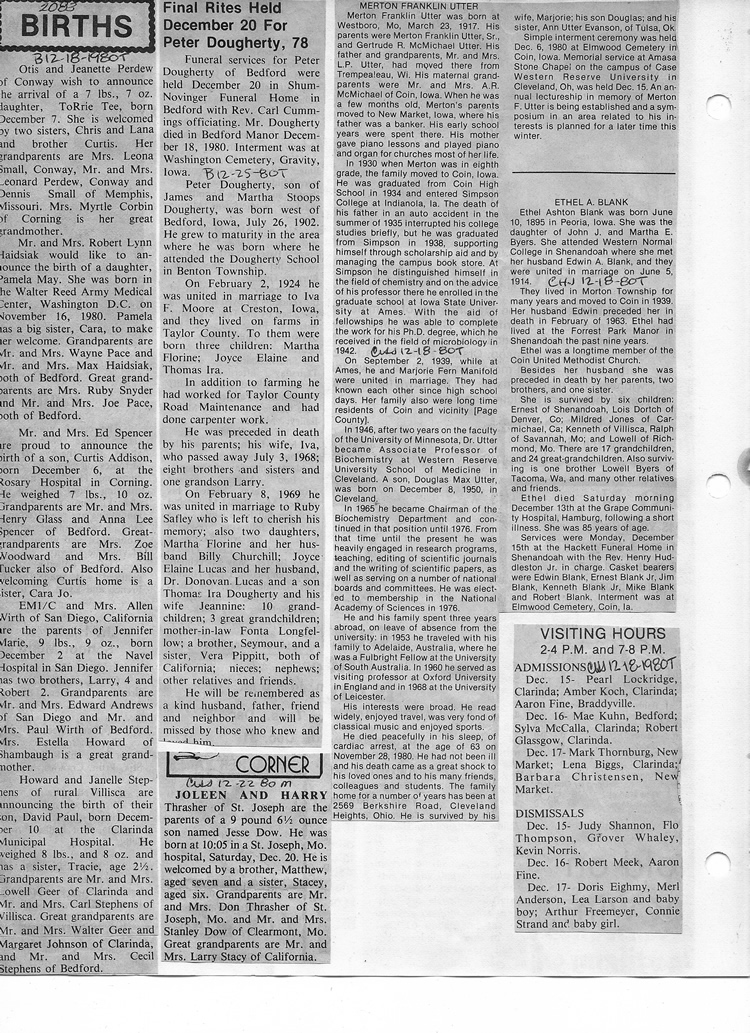
- Merton F. Utter, microbiologist and biochemist[74]
- Bill Watterson, cartoonist and creator of Calvin and Hobbes
- Sean Young, actress
- Debra Winger, Academy Award-nominated actress
See also
Notes
References
- ^ "ArcGIS REST Services Directory". United States Census Bureau. Retrieved September 20, 2022.
- ^ a b "Annual Estimates of the Resident Population for Incorporated Places in Ohio: April 1, 2020 to July 1, 2023". United States Census Bureau. Retrieved June 12, 2024.
- ^ a b U.S. Geological Survey Geographic Names Information System: Cleveland Heights, Ohio
- ^ a b "U.S. Census website". United States Census Bureau. Retrieved January 31, 2008.
- ^ Bhatia, Kabir (February 24, 2022). "Cuyahoga County keeps its feet on the ground while reaching for the 'Heights'". Ideastream. Retrieved July 22, 2022.
- ^ Morton 2002, pp. 26–28.
- ^ National Park Service 2002, p. 17.
- ^ Rose 1990, p. 781.
- ^ Morton 2005, p. 7.
- ^ Morton 2002, p. 32.
- ^ "History of Cleveland Heights". clevelandheights.com. Retrieved April 9, 2018.
- ^ Morton 2002, p. 34.
- ^ KEATING, W. DENNIS (1994). The Suburban Racial Dilemma: Housing and Neighborhoods. Temple University Press. ISBN 978-1-56639-147-4. JSTOR j.ctt14bszbx.
- ^ Columbia Lippincott Gazetteer, 1952 Edition with 1962 Supplement.
- ^ a b Bremer & Fisher 2004, p. 9.
- ^ Bremer & Fisher 2004, p. 17.
- ^ O'Donnell, Kara Hamley (August 19, 2011). "Another New Historic District for Cleveland Heights". The Heights Observer. Retrieved May 3, 2015.
- ^ "Heights Street Is Like Bit of Old England". The Plain Dealer. August 1, 1926. p. C15.
- ^ KEATING, W. DENNIS (1994). The Suburban Racial Dilemma: Housing and Neighborhoods. Temple University Press. p. 115. ISBN 978-1-56639-147-4. JSTOR j.ctt14bszbx.
- ^ KEATING, W. DENNIS (1994). The Suburban Racial Dilemma: Housing and Neighborhoods. Temple University Press. pp. 115–116. ISBN 978-1-56639-147-4. JSTOR j.ctt14bszbx.
- ^ KEATING, W. DENNIS (1994). The Suburban Racial Dilemma: Housing and Neighborhoods. Temple University Press. pp. 116–121. ISBN 978-1-56639-147-4. JSTOR j.ctt14bszbx.
- ^ "Signs announcing Cleveland Heights as Nuclear Free Zone: Whatever happened to ...?". cleveland.com. April 15, 2013. Retrieved April 9, 2018.
- ^ "US Gazetteer files: 2010, 2000, and 1990". United States Census Bureau. February 12, 2011. Retrieved April 23, 2011.
- ^ "US Gazetteer files 2010". United States Census Bureau. Archived from the original on July 2, 2012. Retrieved January 6, 2013.
- ^ "Watersheds | Cleveland Heights, OH". www.clevelandheights.com. Retrieved June 18, 2020.
- ^ "Dugway Brook Watershed" (PDF). April 2, 2015. Archived from the original (PDF) on April 2, 2015. Retrieved June 18, 2020.
- ^ "Number of Inhabitants: Ohio" (PDF). 18th Census of the United States. U.S. Census Bureauaccess-date=April 26, 2020. 1960.
- ^ "Ohio: Population and Housing Unit Counts" (PDF). U.S. Census Bureau. Retrieved November 22, 2013.
- ^ "P004: Hispanic or Latino, and Not Hispanic or Latino by Race – 2000: DEC Summary File 1 – Cleveland Heights city, Ohio". United States Census Bureau.
- ^ "P2: Hispanic or Latino, and Not Hispanic or Latino by Race – 2010: DEC Redistricting Data (PL 94-171) – Cleveland Heights city, Ohio". United States Census Bureau.
- ^ "P2: Hispanic or Latino, and Not Hispanic or Latino by Race – 2020: DEC Redistricting Data (PL 94-171) – Cleveland Heights city, Ohio". United States Census Bureau.
- ^ a b c d "2020 Decennial Census Demographic Profile (DP1)". United States Census Bureau. 2021. Retrieved February 1, 2026.
- ^ "2020 Decennial Census Demographic and Housing Characteristics (DHC)". United States Census Bureau. 2023. Retrieved February 1, 2026.
- ^ "2020 Decennial Census Redistricting Data (Public Law 94-171)". United States Census Bureau. 2021. Retrieved February 1, 2026.
- ^ "US Census Bureau, Table S1501: EDUCATIONAL ATTAINMENT". data.census.gov. Retrieved January 7, 2024.
- ^ "US Census Bureau, Table S1903: MEDIAN INCOME IN THE PAST 12 MONTHS (IN 2020 INFLATION-ADJUSTED DOLLARS)". data.census.gov. Retrieved January 7, 2024.
- ^ "US Census Bureau, Table S2001: EARNINGS IN THE PAST 12 MONTHS (IN 2020 INFLATION-ADJUSTED DOLLARS)". data.census.gov. Retrieved January 7, 2024.
- ^ "US Census Bureau, Table S1701: POVERTY STATUS IN THE PAST 12 MONTHS". data.census.gov. Retrieved January 7, 2024.
- ^ "US Census Bureau, Table S1702: POVERTY STATUS IN THE PAST 12 MONTHS OF FAMILIES". data.census.gov. Retrieved January 7, 2024.
- ^ "U.S. Census website". United States Census Bureau. Retrieved January 6, 2013.
- ^ "Cleveland Heights (city) QuickFacts from the US Census Bureau". www.census.gov. Retrieved May 4, 2017.
- ^ "Coventry Village". Cleveland Historical. Retrieved October 22, 2023.
- ^ "Cleveland Heights Parks & Recreation, OH". www.chparks.com. Retrieved October 27, 2021.
- ^ "Government". City of Cleveland Heights.
- ^ "Cleveland Heights Mayor Kahlil Seren recalled from office; 82% of voters approve removal". WKYC. September 9, 2025.
- ^ "Kahlil Seren recall, Cleveland Heights, Ohio (2025)". Ballotpedia. Retrieved February 7, 2026.
- ^ "Cleveland Heights Administrator Dan Horrigan resigns, cites mayor's wife". Cleveland Scene. April 1, 2025.
- ^ "Cleveland Heights mayor's wife indicted on trespassing charges". WOIO. August 8, 2025.
- ^ "Cleveland Heights swears in new interim mayor after Seren's recall". WOIO. October 1, 2025.
- ^ Nyorkor, Sia (January 5, 2026). "Jim Petras sworn in as Cleveland Heights mayor, marking historic transition". WKYC.
- ^ "Jim Petras sworn in as Cleveland Heights mayor". WKYC. January 5, 2026.
- ^ "Petras wins CH mayor race, new faces join city council". Heights Observer. November 7, 2025.
- ^ "Petras wins CH mayor race, new faces join city council". Heights Observer. November 7, 2025.
- ^ "City Council". City of Cleveland Heights. Retrieved January 20, 2026.
- ^ "Domestic Partner Registration". Cleveland Heights.
- ^ Lane, Sylvan (March 10, 2021). "Senate confirms Fudge as Housing secretary". The Hill. Retrieved March 31, 2021.
- ^ "District Detail for Cleveland Heights-University Heights City". National Center for Education Statistics. Retrieved November 9, 2025.
- ^ "RTA Service System Map 2023" (PDF). Retrieved November 9, 2025.
- ^ "Heights Magazine Alumni Profile: Gina Abercrombie-Winstanley '76". The Heights Magazine. Cleveland heights-University Heights City School District. May 2017. Retrieved September 10, 2020.
- ^ Wittenberg, Ed (December 7, 2012). "Solon resident Hal Becker, a Cleveland Heights High School graduate, writes 'Ultimate Sales Book'". Cleveland.com. Retrieved April 20, 2021.
- ^ Wittenberg, Ed (May 8, 2013). "Cleveland Heights High hall of fame features Jewish inductees". Cleveland Jewish News. Retrieved September 10, 2020.
- ^ "Cleveland Heights Historical Society - Feature Stories". www.chhistory.org. Archived from the original on February 2, 2023. Retrieved April 9, 2018.
- ^ "Timothy P. Broglio". www.nndb.com. Retrieved April 9, 2018.
- ^ Baranick, Alana (August 14, 1998). "Martha Chase, 75, Cleveland Native, Worked on Early DNA Experiment". The Plain Dealer.
- ^ a b c d e f Piorkowski, Jeff (December 12, 2015). "Super Bowl players return to Heights High for a visit". The Plain Dealer. Retrieved September 10, 2020.
- ^ Cooper, Chuck (October 2011). "Excerpt from Chuck Cooper's Speech" (PDF). Fall Chronicles. New York State Theatre Education Association. p. 5. Retrieved September 11, 2020.
- ^ "Ursuline College Office of the President | Ursuline - Liberal Arts College in OH". www.ursuline.edu. Retrieved September 24, 2023.
- ^ "Kevin Edwards Stats". Basketball-Reference.com. Retrieved June 8, 2021.
- ^ "Ten inducted into Heights High Hall of Fame - The Heights Observer". www.heightsobserver.org. July 7, 2009. Retrieved May 27, 2019.
James K. Fox, Class of 1965 While many may know him as the founder, leader and drummer for the rock group The James Gang. Fox is also an authority on automotive license plates.
- ^ "Kathryn Hahn". SideReel. Archived from the original on May 28, 2013.
- ^ "Jason Kelce Player Profile". GoBearcats.com.
- ^ "NFL Star Travis Kelce's High School Coaches Reflect on His Success". SpectrumNews1.com.
- ^ "Cleveland Heights High School to induct 10 into alumni hall". Cleveland Jewish News. April 26, 2019. Retrieved September 10, 2020.
- ^ "Merton Franklin Utter obituary". Clarinda Herald Journal. Clarinda, Iowa. December 18, 1980. Retrieved January 30, 2019.
Works cited
- Bremer, Deanna L.; Fisher, Hugh P. (2004). Euclid Golf Neighborhood. Charleston, S.C.: Arcadia Publishing. ISBN 9780738532547.
- Morton, Marion J. (2002). Cleveland Heights: The Making of An Urban Suburb. Charleston, S.C.: Arcadia Publishing. ISBN 9780738523842.
- Morton, Marion J. (2005). Cleveland Heights. Charleston, S.C.: Arcadia Publishing. ISBN 9780738533889.
- National Park Service (July 3, 2002). Euclid Golf Allotment. National Register of Historic Places Registration Form. NPS Form 10-900. (Rev. 10-90) (Report). Washington, D.C.: United States Department of the Interior. Archived from the original on October 1, 2017. Retrieved May 2, 2015.
- Rose, William Ganson (1990). Cleveland: The Making of a City. Kent, Ohio: Kent State University Press. ISBN 9780873384285.